Your Guide to Choosing the Best Running Shoes
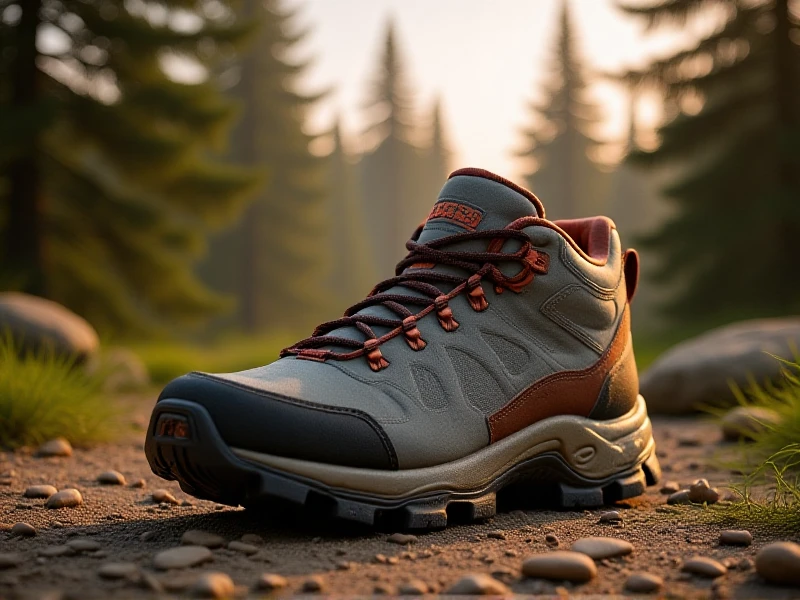
When you're serious about running, the right pair of running shoes isn't just gear—it's your foundation for performance, comfort, and injury prevention. Whether you're training for a marathon, jogging daily, or hitting the trails, investing in high-quality running shoes can transform your entire experience. So, how do you pick the perfect pair in a market flooded with options? Let's break down the essentials.
First, understand the different types of running shoes. Road running shoes are designed for paved surfaces and emphasize lightweight construction and cushioning to absorb impact during repeated strides. For off-road adventures, trail running shoes offer rugged outsoles with enhanced grip and waterproof features to tackle mud, rocks, and uneven terrain. If you have specific biomechanical needs, stability or motion control shoes provide extra support for overpronators (when your foot rolls inward excessively), while cushioned models suit neutral runners seeking maximum shock absorption. Minimalist styles appeal to those who prefer a barefoot-like feel, promoting natural foot movement. Always consider your foot arch—whether it's flat, neutral, or high—to find the right match. For instance, Brooks Ghost for neutral runners or Saucony Guide for added stability are popular choices.
Next, focus on key features when selecting new running shoes. Start by evaluating your running routine: are you logging short, quick bursts or long-distance endurance runs? Daily trainers with durable midsoles like ASICS Gel-Cumulus work well for varied use, while racing flats offer speed for competitive events. Pay attention to cushioning technologies—Nike's react foam or Adidas' Boost provide responsive energy return, keeping your feet fresh mile after mile. Also, prioritize proper fit: your running shoes should have a thumb's width of space beyond your longest toe to prevent blisters, and ensure a snug heel lock. Visit a specialty store for a gait analysis to identify your pronation type, which helps in making an informed choice. Remember, replacing running shoes every 300-500 miles is crucial to maintain support and avoid wear-related injuries.
In conclusion, finding your ideal running shoes involves thoughtful consideration of your terrain, foot type, and running habits. By focusing on these aspects, you'll enhance comfort, boost efficiency, and reduce the risk of common issues like shin splints. Ready to revamp your runs? Explore our curated collection of running shoes online, tailored to every runner’s needs, and step into your best performance yet. Happy running!