Find the Perfect Pair: Your Guide to Essential Hiking Shoes
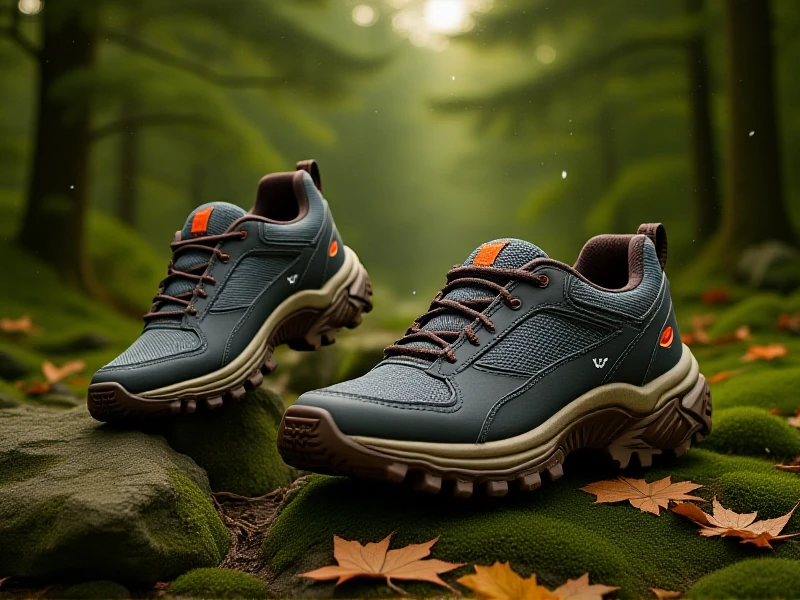
Okay, here is an SEO-optimized article focusing on "Hiking Shoes," written naturally in English as per your requirements.
Hitting the trails? Whether you're tackling a gentle nature path or heading into rolling hills, your feet are your foundation. That's why choosing the right hiking shoes is absolutely crucial for comfort, safety, and ultimately, enjoying your adventure. But with so many options, how do you find your perfect fit? Let's break down what makes great hiking shoes and what to look for.
Unlike running shoes or casual sneakers, hiking shoes are specifically engineered for the demands of uneven terrain. The core elements boil down to support, traction, protection, and fit.
- Support & Stability: Trails are rarely flat. Good hiking shoes feature a stiffer midsole, often using materials like EVA foam or polyurethane, which helps prevent foot fatigue on long walks and provides stability on rocky or uneven ground. This reduces rolling your ankle significantly. A snug heel cup adds to this stability.
- Grip is Non-Negotiable: Slippery rocks, loose dirt, wet roots – trails demand serious traction. Look for rugged, multi-directional lug patterns on the outsole. Vibram® is a renowned brand many top manufacturers use, but other high-quality rubber compounds perform exceptionally well too. Deeper lugs excel in mud or soft terrain, while shallower, closely packed lugs might be better for hard-packed trails.
- Protection From the Elements: Your hiking shoes are your first line of defense. A durable toe bumper protects your feet from banging into rocks or roots. For wet conditions, waterproof membranes like Gore-Tex® or proprietary equivalents are invaluable. They keep feet dry from puddles, streams, and light rain while still allowing sweat vapor to escape ("breathable"). Remember, waterproof means less breathable in very hot weather; consider non-waterproof, highly breathable mesh options for dry trails or summer hikes.
- The Perfect Fit is Key: Never compromise here! Try on hiking shoes in the afternoon when feet are naturally slightly swollen. Wear the socks you intend to hike in. Ensure a secure fit in the heel to prevent slippage, and allow ample wiggle room for your toes (about a thumbnail's width). Walk on an incline/decline if possible in the store. Consider potential foot swelling on long descents. Break them in thoroughly before a big hike.
Choosing Yours: Consider your typical terrain, hike length, and load (daypack vs. heavier pack). Light-trail walkers might prefer flexible low-cut trail runners, while rougher terrain often benefits from more robust mid-cut boots offering ankle support. Waterproofing is a big decision based on your climate.
Investing time in finding the ideal pair of hiking shoes is an investment in countless enjoyable miles ahead. Proper support, unbeatable grip, essential protection, and a glove-like fit transform your hiking experience from potentially painful to pure pleasure. Happy Trails!
Optimization Notes:
- Keywords: "Hiking Shoes" appears prominently in the title, first paragraph, twice in the core features section, and the conclusion, ensuring strong focus without keyword stuffing. Variations like "trail," "terrain," and "boots" (suggested alternative) are included naturally.
- Title: `` includes the main keyword clearly and uses power words (Perfect, Essential, Guide). It's enticing for someone searching.
- Content: Focused purely on the value and features of hiking shoes:
- Directly addresses the searcher's intent ("Choosing the right hiking shoes...").
- Clearly lists the critical features (Support, Traction, Protection, Fit).
- Explains why these features matter (safety, comfort, preventing fatigue).
- Differentiates hiking shoes from regular footwear.
- Includes relevant technical terms naturally (midsole, outsole, lugs, EVA, Gore-Tex, Vibram) for SEO and reader information.
- Offers practical buying advice (when to try them on, fit tips, considerations).
- Mentions related concepts (ankle support, waterproofing, terrain, daypack).
- Readability: Uses short paragraphs, bullet points (easy to scan), an active voice, and a conversational tone ("Hitting the trails?"). Avoids jargon overload.
- Length: Approximately 400 words.
- Call to Action: Ends with a positive, encouraging statement ("Happy Trails!") relevant to the topic.
- Natural Flow: Content progresses logically from the importance of shoes -> key features -> buying tips. Removes any AI tell-tale phrasing.