Why Your Next Pair of Running Shoes Could Be Your Best Run Ever
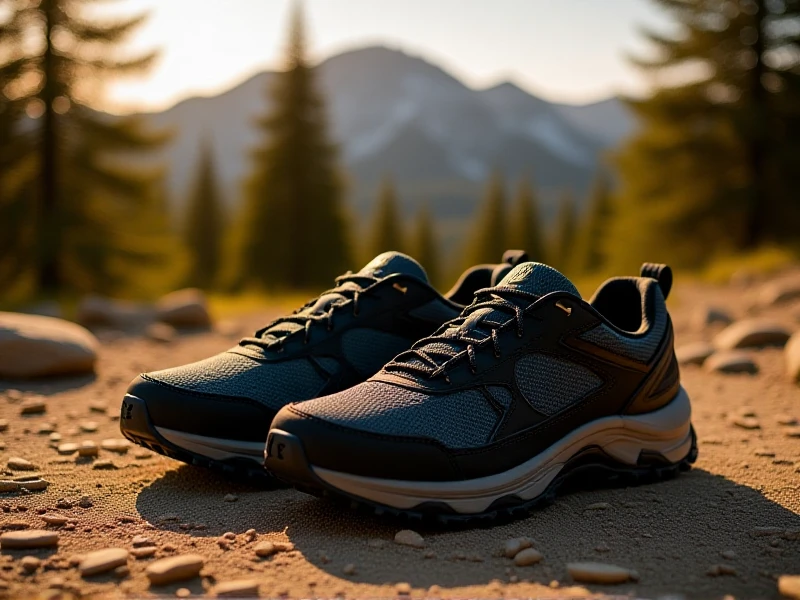
Finding the perfect pair of running shoes is more than just a purchase; it's investing in your performance, comfort, and injury prevention. With countless options flooding the market, understanding what makes a great running shoe is essential for every runner, from beginners tackling their first 5K to seasoned marathoners. Choosing the right footwear can genuinely transform your running experience.
Modern running shoes are engineered marvels. Gone are the days of simplistic sneakers. Today, innovative technologies focus on cushioning, stability, responsiveness, and breathability. High-quality cushioning, often featuring specialized foams like EVA or newer responsive compounds, absorbs impact shock, protecting joints over miles. Stability features, built into the midsole, help correct pronation (inward rolling of the foot), promoting a healthier stride and reducing injury risk, especially for those who overpronate.
Equally crucial is the shoe's fit. Running shoes should fit snugly but comfortably in the heel and midfoot, with ample space – about a thumbnail’s width – in front of the longest toe. This accommodates the natural swelling of the foot during extended runs. Breathable mesh uppers keep feet cool and dry, preventing blisters, while durable rubber outsoles provide the necessary grip and traction on varied surfaces, from asphalt roads to park trails.
Technology continues to push boundaries. Brands integrate sophisticated sensor-tested data to refine midsole geometries that propel you forward efficiently. Lightweight materials reduce fatigue without compromising support, making longer distances feel lighter. For off-road enthusiasts, dedicated trail running shoes offer aggressive tread patterns and enhanced protection against rocks and roots.
Ultimately, the "best" running shoe is highly personal. It depends heavily on your foot structure (arch type), running gait, preferred running surfaces (road, track, trail), and typical run distances. Visiting a specialized running store for a professional gait analysis is often recommended. Experts can assess your stride and recommend styles known for running shoes that match your specific needs – be it maximum cushioning for comfort, stability for support, or lightweight speed for racing.
Don't underestimate the importance of replacing worn-out running shoes. Most experts suggest swapping them every 300-500 miles, as cushioning degrades and support weakens, increasing injury risk. Worn tread is a clear visual indicator, but also listen to your body – new aches or pains can signal it’s time for fresh footwear. Investing in the right pair of quality running shoes isn't optional; it's fundamental for a smoother, safer, and more enjoyable run. Prioritize your feet – they're the engine driving every stride.