Choosing the Best Running Shoes: Your Ultimate Guide to Performance & Comfort
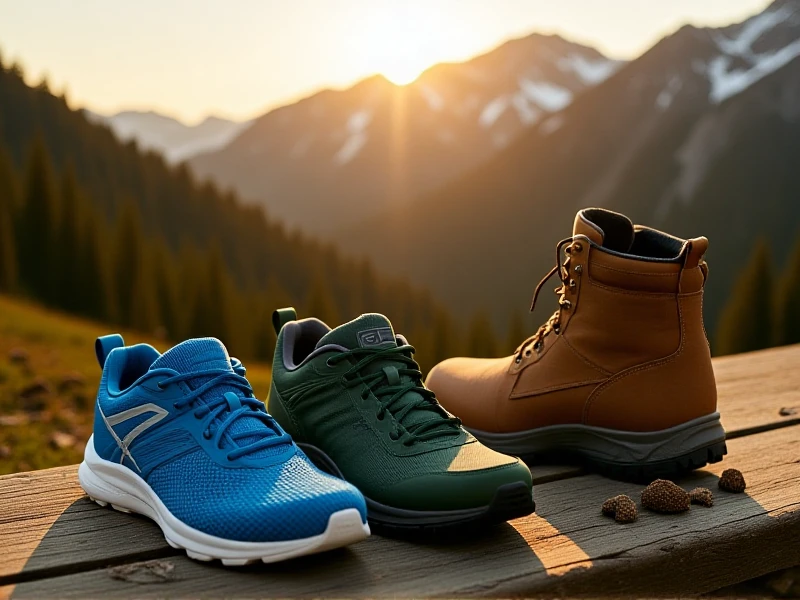
Here is the SEO-optimized article about Running Shoes:
The right pair of running shoes isn't just footwear; it's your essential equipment for every stride. The perfect running shoes significantly impact performance, comfort, and injury prevention. With countless options available, finding your ideal match can feel overwhelming. This guide cuts through the noise, helping you understand key features for selecting the best running shoes tailored to your needs.
Running shoes are designed around several core technologies and foot types. Key categories include:
- Cushioning/Road Shoes: Prioritize shock absorption for road running. Generous midsole foam protects joints over miles on hard surfaces, offering comfort for neutral runners or those seeking maximum plushness.
- Stability Shoes: Incorporate features (like medial posts or guide rails) to gently correct overpronation. Ideal for runners whose ankles roll inward excessively during the footstrike.
- Trail Running Shoes: Built with aggressive tread patterns for superior grip on mud, rocks, and roots. Often offer rock plates underfoot and reinforced uppers for durability and protection against debris. Typically lower profile than road versions.
- Racing Flats/Carbon Plated Shoes: Ultra-lightweight for speed. Focus on responsiveness and propulsive energy return (often with carbon fibre plates). Prioritize performance over maximum cushioning or durability, typically suited for faster runs and races.
Selecting the perfect running shoes requires more than just the category.
- Fit is Non-Negotiable: Shop later in the day when feet are slightly swollen. Aim for a thumb's width (about 1/2 inch) between your longest toe and the shoe end. Width is crucial – pressure points cause blisters. The heel should lock securely without slippage.
- Understand Your Gait: While gait analysis can be insightful, focusing on comfort remains paramount. Do you need the structure offered by stability features?
- Consider Your Running Surface: Road, track, rugged trails? Choose footwear specifically engineered for the terrain you most frequent. Trail shoes are overkill on pavement; road shoes lack grip off-road.
- Replace Strategically: Running shoes lose cushioning and support after around 300-500 miles. Track your mileage and be proactive – worn-out shoes drastically increase injury risk. Rotating two pairs can prolong their lifespan.
Investing in high-quality running shoes matched to your unique feet and running style is a cornerstone of an enjoyable, sustainable running journey. Don't settle for "good enough." Visiting a specialty running store for knowledgeable advice and trying on multiple top brands can make the difference in finding your ultimate running partner. Your best runs start from the ground up. Lace up the right running shoes and hit the track!